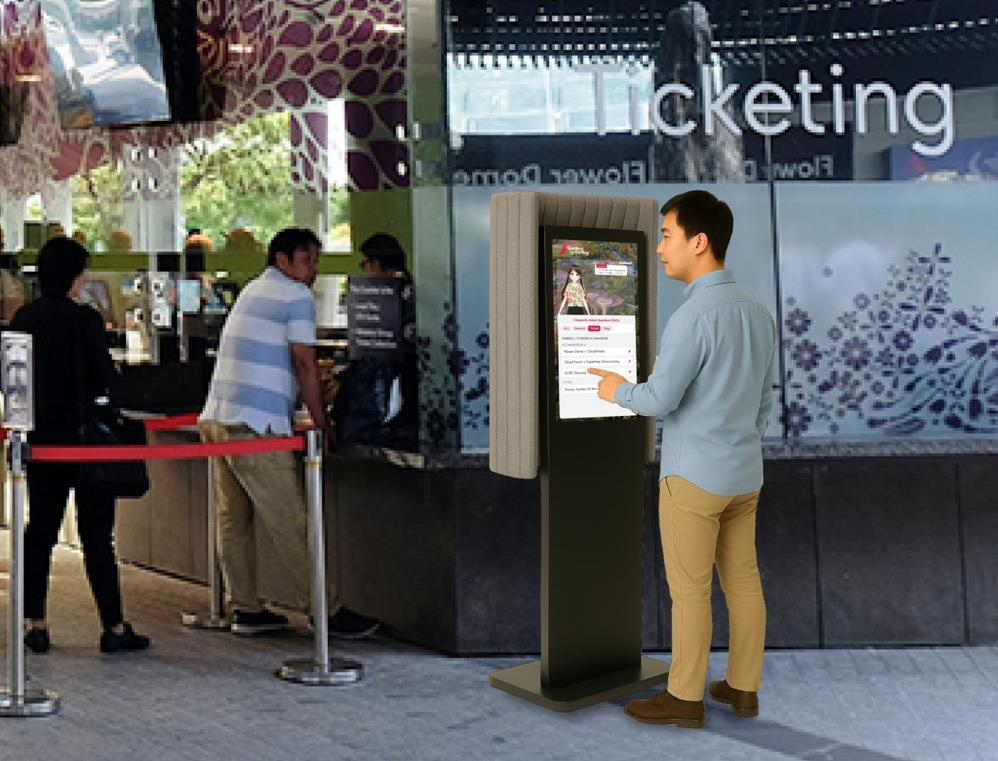
Let’s be honest for a moment. As a shopper, it’s just easy to click a button. We’ve all done it—lounging on the sofa, scrolling through endless options, and having a package magically appear two days later. E-commerce is a titan of convenience. It’s fast, it’s efficient, and it often wins on price. For years, brick-and-mortar stores have been trying to beat e-commerce at its own game. But what if that’s the wrong strategy entirely?
What if, instead of trying to be a faster, more convenient warehouse, your physical store became a destination? What if it offered something so compelling, so human, and so interactive that no digital algorithm could ever replicate it?
The future of retail isn’t about fighting e-commerce; it’s about building an experience that exists in a completely different category. It’s about leveraging your greatest assets: physical space, human connection, and all five senses. This is how you create an Interactive In-Store Experience that e-commerce simply can’t touch.
We can’t ignore the digital reality. Online shopping has fundamentally rewired our brains. We expect endless choice, instant comparisons, and personalized recommendations. Traditional retail, with its fixed inventory and “can I help you?” service, can feel slow and outdated by comparison.

But this digital dominance has also created a new kind_of_ hunger. We are humans, after all. We crave connection, community, and sensory feedback. Staring at a screen is isolating. This is your opening.
The “Amazon Effect” is this relentless focus on speed, low price, and frictionless transactions. It’s incredibly effective, but it’s also sterile. It’s a transaction, not an experience. You click, you buy, you receive. There’s no joy in the discovery, no relationship built, no lasting memory created.
Your physical store is the antidote to this digital isolation. E-commerce is a monologue; your store can be a conversation. It’s your single greatest competitive advantage, and it’s time to lean into it.
Let’s clear this up. An “interactive experience” doesn’t just mean sticking an iPad on a counter or having a flashy video wall. Those are just tools. A truly interactive experience is a fundamental shift in your store’s purpose.
It means your customers are no longer passive consumers. They are active participants. They are touching, playing, learning, creating, and connecting.
Think about the difference. A transactional store is a vending machine. A customer comes in, finds item X, pays for item X, and leaves. The goal is efficiency.
An experiential or transformational store is more like a gallery, a workshop, or a clubhouse. A customer comes in to browse, sure, but they stay to learn how to pot a plant, get a personalized style consultation, test-drive a new gadget in a simulated environment, or simply meet other people who share their passion. They leave not just with a product, but with a new skill, a new idea, or a feeling of belonging.
That feeling? That’s something “one-click checkout” can never, ever deliver.
Your most powerful, un-digitizable weapon is the human sensory system. E-commerce is limited to two senses: sight and (maybe) sound. You have all five.

Does your store sound like your brand? The music you play isn’t just background noise; it’s a soundtrack. It sets the pace and the mood. Is it high-energy and pop-driven, or calm, acoustic, and thoughtful?
And what about scent? Scent is the sense most closely tied to memory. A custom scent—think cedar and leather for a high-end men’s store, or citrus and vanilla for a bakery—doesn’t just make the store smell good. It creates an immediate, subconscious emotional connection. When a customer smells that scent elsewhere, they will think of you.
This is the big one. You can’t digitally replicate the feeling of high-quality cashmere, the satisfying “thunk” of a heavy-duty piece of cookware, the weight of a book, or the smooth finish of a piece of handcrafted furniture.
Stop hiding your products behind glass or in boxes. Create “touch-points” everywhere. Encourage people to pick things up, try them on, and interact with them. Let them sit on the sofas, test the running shoes on an in-store treadmill, or play the guitar. The more tactile and “hands-on” your store is, the more of a moat you build against online-only competitors.
Why should someone come to your store if they can get the same product online? Simple: They can’t get the community online. Your physical space is a potential gathering place.
Turn your store into a stage. “Retail-tainment” (retail + entertainment) is about giving people a reason to visit other than just to buy.
What could this look like?
These events do two things: they establish your brand as a credible expert, and they build a community of loyal fans who see your store as “their” place.
This might sound counter-intuitive, but technology is a crucial part of a modern interactive experience. The key is to use tech to amplify the physical world, not just to mimic the website.

We’re moving into a “phygital” (physical + digital) world. Your in-store tech should add a layer of magic.
Your e-commerce site knows a customer’s browsing history. Why doesn’t your store? When a loyal customer walks in, your staff (aided by smart tech) should know their preferences. This allows for hyper-personalization that feels less like “selling” and more like “consulting.” Imagine a staff member saying, “Hi Sarah, welcome back! I know you loved that blue jacket last season, and we just got in a new scarf that uses the exact same color. Would you like to see it?”
That’s a level of service that builds lifetime loyalty.
You can have the best tech, the best music, and the best products, but if your staff are uninspired, it all falls apart. An algorithm can suggest “you might also like,” but it can’t share a personal story, empathize with a customer’s problem, or offer genuine, expert-level passion.
Stop treating your employees like cashiers. They are the human face of your brand. They are your storytellers, your problem-solvers, and your experience guides.
Invest in them. Train them not just on product features, but on the stories behind the products. Empower them to make decisions, solve problems on the spot, and spend real, quality time with customers. A great employee doesn’t just process a sale; they create a relationship. That relationship is the single most valuable, non-replicable asset you have.
The battle for retail is no longer being fought on the fields of price and convenience. E-commerce has won that ground. The new battle, and the one you can win, is being fought on the terrain of human experience.
Don’t think of your store as a point of sale. Think of it as a point of connection. Make it a place where people can discover, learn, play, and feel a part of something bigger. Engage their senses, build a community, use technology to add a layer of wonder, and empower your people to create genuine human moments.
When you stop being a place where people just buy things and become a place where they do things, you create something unique. You create an experience that is memorable, shareable, and, most importantly, something no e-commerce algorithm will ever be able to beat.
We offer a versatile and customizable visual experience, empowering businesses to enhance their brand presence and captivate their audience.