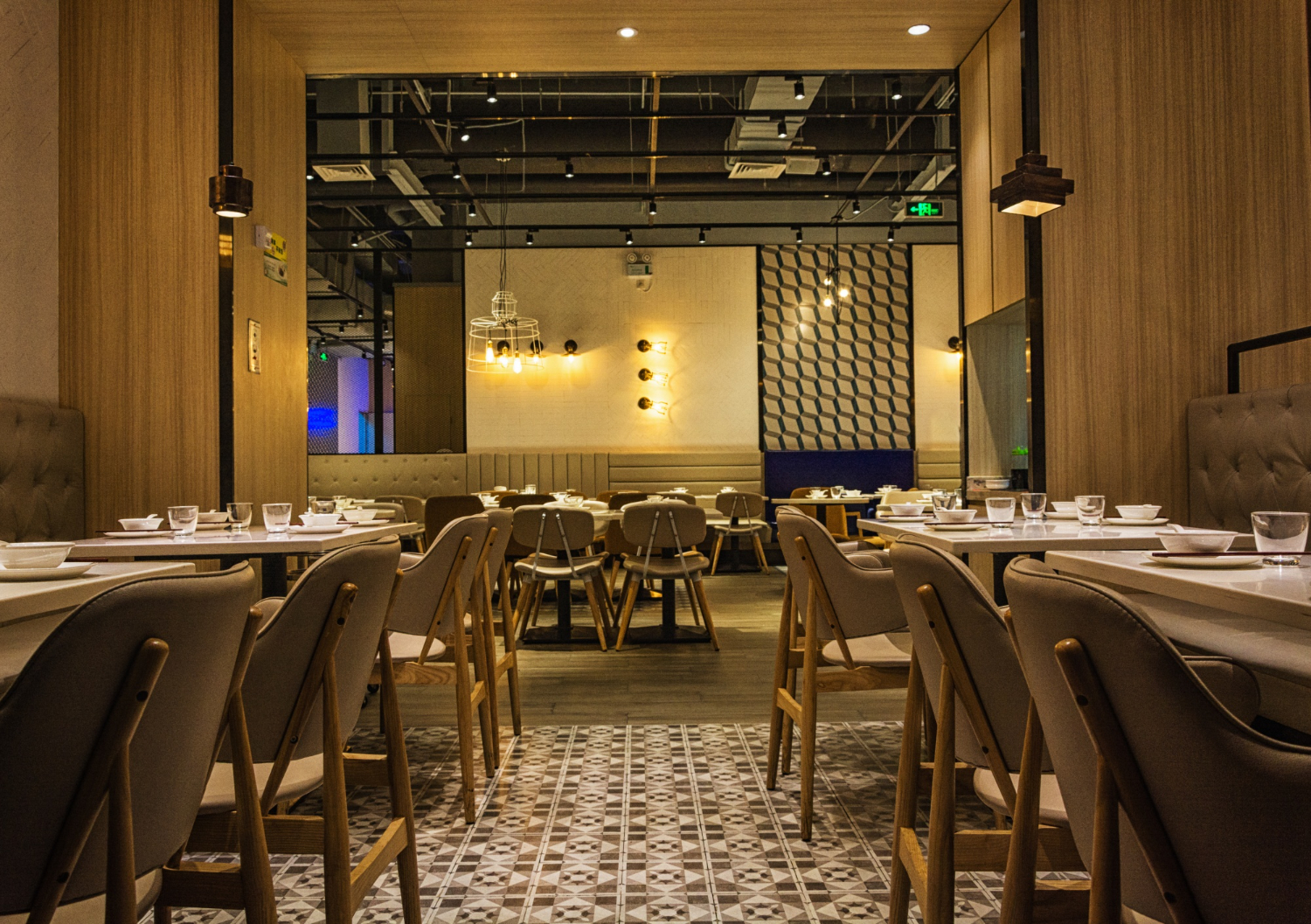
The restaurant business is tough. You’re not just competing with the establishment down the street; you’re competing with food delivery apps, home cooking, and the simple inertia that keeps people on their couches. So, when a customer chooses to walk through your doors, what are you giving them? Is it just a meal, or are you providing an experience?
In today’s digital-first world, that experience starts long before the food hits the table. The sights, the sounds, the overall vibe—it all matters. And this is where so many restaurants are missing a massive opportunity. We’re still handing out static, laminated menus—relics of a bygone era—when we have the power to create something truly dynamic.
I’m talking about digital signage.
If you think “digital signage” just means a glorified TV screen showing a looping PowerPoint, it’s time to rethink. Used correctly, digital signage is perhaps the single most powerful tool in your arsenal to transform a simple meal into a Memorable Dining Experience. It’s your silent salesperson, your dynamic interior designer, and your brand storyteller, all rolled into one.

Think about the last time you were truly “wowed” in a restaurant. What do you remember? Yes, the food (hopefully), but also the atmosphere. The energy. The feeling.
The traditional, paper menu is a functional tool. It lists items and prices. But it’s also riddled with problems. It gets dirty, stained, and worn. It’s expensive and wasteful to reprint every time you have a price change or a seasonal update. And most importantly? It’s boring. It does nothing to sell your food or enhance the environment.
A static menu is a dead end in the customer journey. Digital signage, on the other hand, is an open-ended conversation. It’s a chance to engage, entice, and entertain. It’s the difference between someone reading a line of text and seeing your product come to life.
So, what am I actually talking about here? In the restaurant world, digital signage is a network of screens that you control from a central platform.
This isn’t just about replacing your main menu board, though that’s a part of it. It’s a holistic system.
The real magic isn’t the hardware; it’s the software. A good digital signage system uses a Content Management System (CMS) that lets you schedule content, make instant updates from your phone, and even integrate with your Point-of-Sale (POS) system.
Think of it as your restaurant’s personal broadcast network. You are the director, and you get to decide exactly what your customers see, and when.
Before a customer ever tastes your food, they see your restaurant. Their first impression is visual. Digital signage gives you unprecedented control over this visual narrative.
Is your restaurant a high-energy sports bar? A quiet, romantic bistro? A trendy, modern cafe? Your digital screens should reflect that.
Instead of a static painting, imagine a video wall displaying stunning, slow-moving digital art that complements your decor. For a romantic evening, maybe it’s a subtle, flickering digital fireplace. For a sports bar, it’s a seamless grid of multiple games. You can fundamentally change the look and feel of your space to match the time of day, a holiday, or a special event. It’s like having a chameleon for an interior designer.
This is a key concept in the signage world: dayparting. It simply means scheduling your content to change automatically throughout the day.
You can’t do that with a poster.

Let’s talk about the menu itself. The goal of a menu isn’t just to inform; it’s to sell.
Which is more appealing?
It’s not even a contest, right? We are visual creatures. Showing high-definition video of your food—what we call “food sizzle” videos—is a proven way to trigger impulse buys and increase the perceived value of your dishes. When you show a video of your signature cocktail being expertly mixed, you’re not just selling a drink; you’re selling an experience.
There is nothing more disappointing for a customer than getting their heart set on a dish, only to be told, “Sorry, we’re all out of the salmon.”
This is where POS integration is a game-changer. When your digital menu is linked to your inventory system, the moment your kitchen 86s an item, it instantly vanishes from the menu. No more disappointment, no more awkward conversations for your staff. You can also automatically highlight items you want to sell, like a daily special with a high-profit margin or produce that needs to be used.
A memorable experience is rarely a passive one. Digital signage is your key to getting customers involved.
Nobody likes waiting—for a table, for their food, or for their check. But digital signage can dramatically reduce perceived wait times.
How? By giving people something interesting to look at. This is a perfect time to run content that isn’t a direct sales pitch. Show fun trivia about your restaurant’s history. Display a “meet the chef” video. Run a feed of local news or weather. When the mind is engaged, time flies.
This is one of my favorite tactics. You can use your screens to display a live, moderated social media wall. Encourage diners to post photos of their meal on Instagram with your unique hashtag (e.g., #MyMealAtTheBistro).
When they see their own photo pop up on the big screen, it creates a powerful moment of delight and recognition. You’ve made them famous for a minute! In return, you get a continuous stream of authentic, user-generated content (which is the best marketing on earth), and you’ve turned your passive diners into active brand ambassadors.

Your staff is busy. They can’t always remember to ask, “Would you like to add a side of guacamole to that?” But your digital signs never forget.
Smart signage uses data to make intelligent suggestions. When a customer orders a steak at a self-service kiosk, the screen can automatically prompt, “Great choice! Our customers love pairing this with the Cabernet Sauvignon.” Studies have shown that automated, visual upselling at the point of purchase can increase average check size by 15-30%. It’s a salesperson that works 24/7, never calls in sick, and always hits their quota.
Why should someone choose your restaurant over any other? Maybe it’s your commitment to local, farm-to-table ingredients. Maybe it’s your family’s 50-year history in the business. Maybe it’s your sustainability practices.
A paper menu can’t tell that story.
Use your screens to show a mini-documentary about the local farm where you source your vegetables. Introduce your “Employee of the Month” and share their story. Showcase your team volunteering at a local charity.
This is how you build a brand. You’re showing customers that you share their values. You’re not just a faceless business; you’re a part of the community. That emotional connection is what turns a one-time visitor into a loyal, lifelong fan.
Creating a memorable dining experience in 2025 and beyond is about engaging all the senses. And the visual element is the one you can most easily control.
Digital signage is no longer a futuristic luxury. It is a fundamental, foundational tool for the modern restaurant. It’s the canvas on which you paint your atmosphere. It’s the engine that drives your sales, and it’s the megaphone you use to tell your brand’s story.
By moving beyond static paper and embracing dynamic, intelligent digital displays, you’re not just updating your menus. You are fundamentally upgrading your entire customer experience. You’re creating an environment that is more engaging, more efficient, and far more memorable. And in this competitive landscape, “memorable” is everything.
We offer a versatile and customizable visual experience, empowering businesses to enhance their brand presence and captivate their audience.